

What's Hair Made Of?
Hair is composed mainly of a protein called keratin, which provides strength, flexibility, and resilience. Keratin fibres are tightly
packed and organised, giving hair its ability to bend without breaking under normal conditions.
Hair colour is determined by melanin pigments, which are produced within the hair structure. Different combinations and concentrations of melanin contribute to the wide range of natural hair colours seen across individuals.
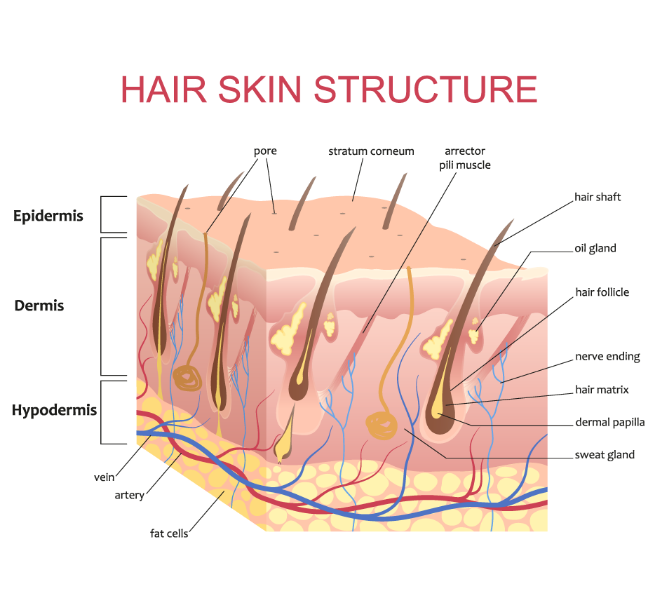
Structure of Hair:
Hair Follicle: Anchors hair beneath the skin, akin to a plant's seed in soil.
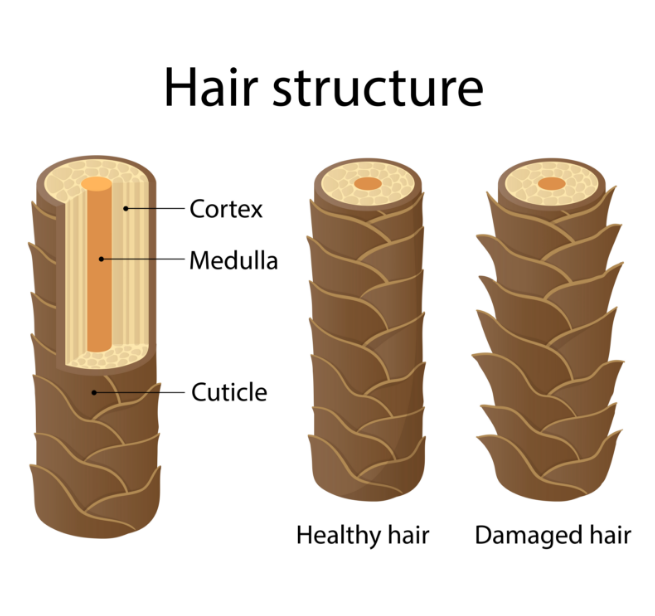
Hair Shaft: Visible part of hair consisting of:
- Cuticle: Outer layer akin to fish scales; smooth cuticles yield shiny hair.
- Cortex: Main structure with tightly packed keratin for strength and elasticity.
- Medulla: Optional core resembling a straw's centre; less impactful on hair strength or appearance.
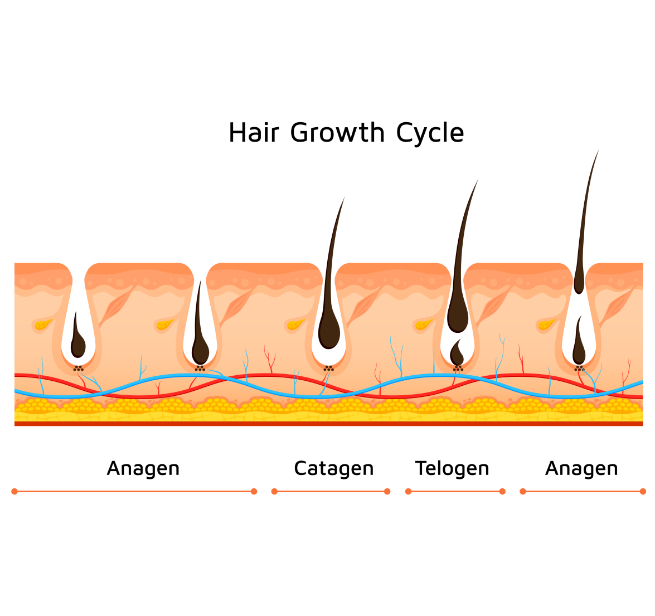
Three Phases of Hair Growth:
- Anagen Phase (Growth Phase): This is the active phase in which hair fibres are formed. Hair can remain in this phase for several years, which influences overall hair length. At any given time, most hair is typically in this phase.
- Catagen Phase (Transition Phase): A short transitional period lasting several weeks, during which the hair structure changes and active growth slows.
- Telogen Phase (Resting Phase): During this phase, hair remains in place without further growth. After a period of rest, the hair is naturally shed as part of the renewal cycle.
Hair Texture and Curl Pattern
Understanding Hair Texture:
- Straight Hair: Smooth texture, round shaft, easy oil flow for moisture and sleek appearance.
- Wavy Hair: Falls between straight and curly, with gentle waves or loose curls, adding volume and texture; slightly oval-shaped shaft contributes to the pattern.
- Curly Hair: Forms tight curls or coils, bouncy and textured look; often elliptical or flat shaft, prone to dryness but can retain moisture effectively.
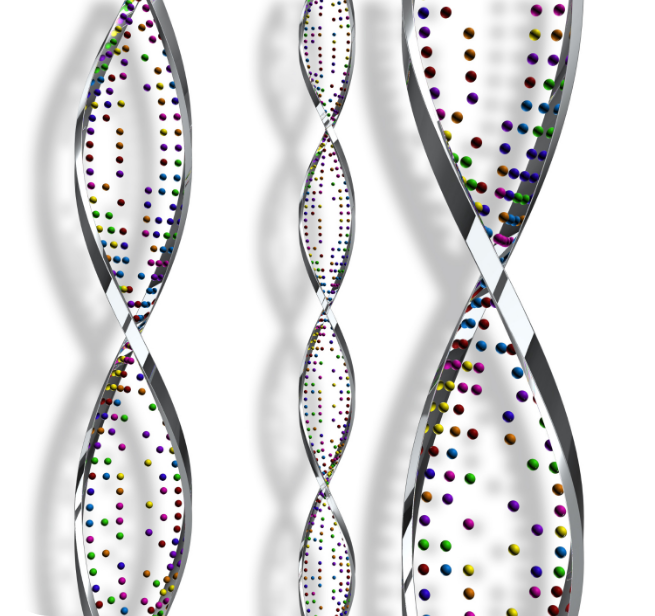
Hair Colour Genetics
Hair colour is determined by pigments called melanin, which are produced by cells called melanocytes in the hair follicles. There are two main types of melanin that contribute to hair colour:
- Eumelanin: This pigment comes in two forms—black/brown (producing darker hair colours) and yellow/red (contributing to lighter hair colours).
- Pheomelanin: This pigment adds red and yellow tones to hair, creating shades like strawberry blonde or copper.
Factors That Influence Hair Appearance
Genetic Influence
Genetics play a role in determining natural hair characteristics such as texture, density, and growth patterns. These inherited traits help explain why hair can differ significantly between individuals and families.
Age and Life Stages
As people move through different life stages, natural changes in the body can influence hair appearance. Over time, hair may appear finer, change in texture, or grow at a different pace as part of normal biological aging.
Nutrition and Lifestyle
Overall lifestyle habits can influence the condition and appearance of hair. Balanced nutrition, adequate hydration, sleep, and stress management all contribute to general skin and hair condition, including how hair feels and behaves day to day.
Scalp Condition and Care Practices
The scalp is an extension of the skin, and its condition plays a role in how hair looks and feels. Gentle cleansing, appropriate hair care routines, and avoiding unnecessary physical or chemical stress can help maintain scalp comfort and hair condition.
Environmental Exposure
External factors such as sun exposure, pollution, styling practices, and climate conditions can affect the hair fibre and scalp over time. Protective care and mindful styling habits can help minimise visible damage to hair.
Hormonal Influences on Hair
How can hormones influence hair appearance over time?
Hormones are part of the body’s natural regulatory systems and can influence many aspects of skin and hair biology. Changes in hormone levels across different life stages may contribute to variations in hair texture, thickness, and overall appearance. These changes are individual and can vary widely from person to person.
Do hormones affect the hair growth cycle?
Hormonal fluctuations can influence the timing and balance of the hair growth cycle. At different stages of life, these changes may be reflected in how hair looks, feels, or behaves. Cosmetic hair care focuses on supporting the appearance and condition of hair during these natural changes.
How do life stages impact hair and scalp condition?
Life stages such as puberty, pregnancy, postpartum periods, and aging can coincide with shifts in hormone levels. During these times, some individuals may notice changes in hair density, texture, or scalp comfort. These variations are considered part of normal biological change and differ between individuals.
Can stress influence hair appearance?
Periods of prolonged physical or emotional stress may be associated with temporary changes in hair appearance, such as increased shedding or changes in texture. Maintaining a consistent hair care routine and supporting overall wellbeing may help promote scalp comfort and hair manageability during stressful periods.
Why does hair sometimes change with age?
As part of the natural aging process, changes in the body can affect hair fibre characteristics and scalp condition. Hair may appear finer, grow differently, or change in texture over time. These changes are gradual and influenced by genetics, lifestyle, and environmental factors.


